


Hexagon Alexandrite Ring- Sterling Silver


Free gift with every $300+ order
“This ring is BEAUTIFUL! I love it so much! Thank you so much! The fit is perfect, and the shipping was so quick!”
Free size exchange
Wrong size? Send it back and we exchange it free of charge.
Not included: customized or engraved rings, which are made with your personalization, and international orders. Please double-check the size on those before you order.
Rather size before you order?
We’ll mail you a free plastic ring sizer with a $5 credit toward your rings. US only. It travels by regular letter mail without tracking, so allow 3 to 7 days.
Already know your size? Free size exchange on non-engraved rings, so a best guess is safe.
Need help? Contact us.


Shop the Look

Galaxy Alexandrite Leaf Couples Ring Set

Evil Eye Alexandrite Necklace in Sterling Silver

Alexandrite Drop Earrings in Sterling Silver

Whimsical Leaf Alexandrite Twig Wedding Band in Sterling Silver

Kite Cut Alexandrite Wedding Band in Sterling Silver (8mm)

Twisted Vine Alexandrite Twig Ring in Sterling Silver

Teardrop Alexandrite Pendant Necklace in Sterling Silver

Complete the set
Sterling Silver Wedding Bands
Rhodium-finished 925 sterling, cut to sit flush against this setting. Prefer something that never needs refinishing? Our solid gold and platinum bands are made to order.
Free U.S. Shipping + Worldwide Delivery
Ethically Sourced Gemstones
Handcrafted by Aquamarise®
Complimentary Engraving on Every Order
Free U.S. Shipping + Worldwide Delivery
Ethically Sourced Gemstones
Handcrafted by Aquamarise®
Complimentary Engraving on Every Order
What Makes Aquamarise® Different

Ethically Sourced, Always
Each gemstone is meticulously hand-selected for its brilliance and clarity, responsibly sourced from trusted partners around the world.
Built to Be Worn, Not Just Admired
Every piece is expertly crafted and finished to endure daily wear, combining lasting strength with enduring beauty beyond the display case.
Specifically Designed for You
Every Aquamarise® creation is thoughtfully designed for those who view jewelry as a personal expression. Never mass-produced, each piece carries a sense of meaning and individuality.
Crafted to Last. Not Just Sparkle.
While most jewellers focus on appearance, Aquamarise® focuses on craftsmanship, durability, and pieces you will treasure forever.

|
Others
|
|
|---|---|---|
| Premium Materials | ||
| Personalized Engraving | ||
| Craftsmanship Guarantee | ||
| Ethically Sourced Gemstones | ||
| Luxury Gift Packaging |
Other rings you'll love
View More


My ring just arrived and it is beautiful. I am so so happy with it and would definitely recommend you buying it. Size guide was accurate and the ring box and packaging was amazing. I can’t stop looking at it.
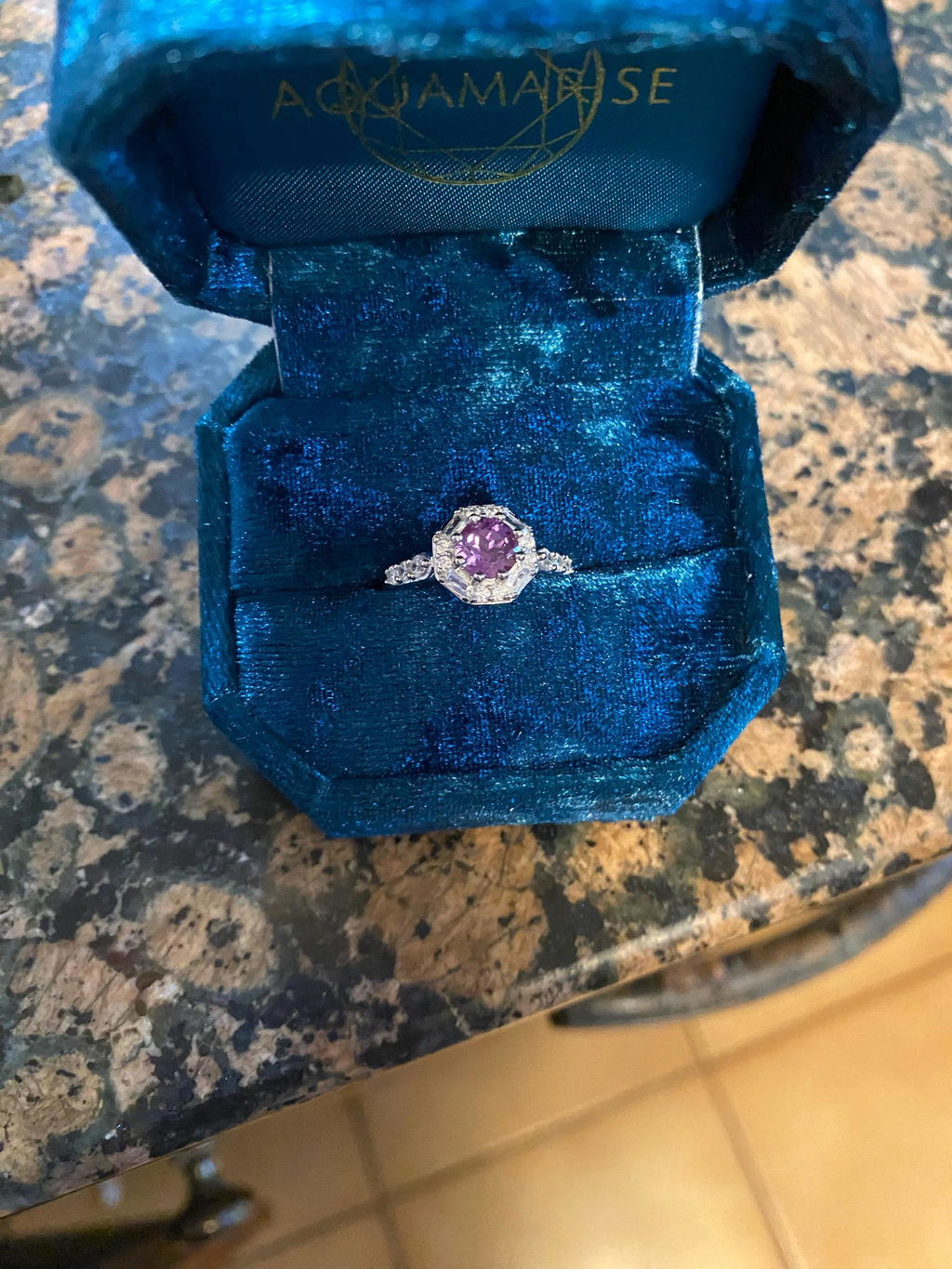
Beautiful ring. Will buy from again.
Added a note saying that this would be a great gift for Christmas, and my shipping seemed to have been decreased. I got it wayyy quicker than expected! Thank you!
Beautiful, only thing is I wish the band was a little more substantial. It feels a little too thin for the stone
You cannot capture the essence of this beautiful ring in a photo. It sometimes looks blue, sometimes purple, sometimes greenish-blue. It has depth, so the color changes with the light. Beautifully crafted and simply stunning. I love it!
This ring was more beautiful than I expected. The colors are incredibly vibrant and it came packaged beautifully. I will be ordering from this seller again.
This ring is BEAUTIFUL! I love it so much! Thank you so much! The fit is perfect, and the shipping was so quick!
This is my 5th ring from here. All I can say is excellent, excellent, & excellent! It’s hard to capture the color shift in the ring in a photo but that makes it beautiful. A must buy!
Lovely ring. Looks just as pictured.
This ring is stellar! It is just as beautiful as the picture and looks amazing on my finger. The setting is slightly raised so I can wear it with a band. I can't stop looking at it!!!