


Free U.S. Shipping
Dispatched from the USA with care

Hustle-Free Returns & Exchanges
Simple, worry-free process

Ethically Crafted
Responsibly sourced, consciously made

Loved by 200,000+ Couples
Fantasy-inspired, handcrafted jewelry
Nature-inspired engagement rings draw from the beauty of old-growth forests and wild botanicals. Leaf-shaped prongs cradle the center stone like a flower holding morning dew, bringing the poetry of nature into fine jewelry. Vine-wrapped bands wind around the finger with the kind of detail that rewards a second look. These are not rings that gesture vaguely toward nature with a single leaf stamp on a plain band. Every design in this collection is built around organic motifs that connect directly to the stone they frame. Moss agate, with its forest-like inclusions, sits naturally inside a leaf-detail setting in a way that a round brilliant in a plain four-prong simply does not. Moonstone glows differently within a nature-inspired frame because the setting and the stone speak the same visual language. At Aquamarise®, all nature-inspired engagement rings are handcrafted using recycled metals and responsibly sourced stones, with Mohs hardness ratings and honest care guidance on every listing.

Why Choose Nature-Inspired Engagement Rings?
Nature-inspired engagement rings are for buyers whose aesthetic is rooted in the natural world and who want a ring that reflects that without compromise.
Cohesive Setting and Stone
Most engagement ring settings are designed to be neutral. A nature-inspired setting is the opposite. The leaf prongs, vine bands, and floral halos in this collection are chosen to connect with specific stones rather than work generically across all of them. Moss agate inside a leaf-wrap setting looks intentional in a way that the same stone in a plain solitaire does not. The design and the gemstone are in conversation, and that is what makes nature-inspired engagement rings feel genuinely different from simply choosing an unusual stone.
Botanical Details
The distinction between an exceptional nature-inspired ring and an ordinary one lies in the finesse of its botanical details. Crisp, three-dimensional leaf veining. Vine work that winds the band seamlessly. Floral halo petals that retain their shape over time. At Aquamarise®, every nature-inspired engagement ring is handcrafted to a standard where each detail withstands close scrutiny, because that is precisely how these rings are meant to be admired.
Gemstones That Feel at Home in Nature
Moss agate is the most obvious pairing for a nature-inspired setting because the stone's inclusions look like a forest captured inside glass. Moonstone brings the soft luminescence of early morning light. Green tourmaline and peridot carry the saturated greens of deep foliage. Alexandrite in a leaf-detail setting connects the color change from green to the outdoor-to-indoor shift that happens when you come in from a walk. Every stone in the collection is listed with its Mohs hardness and care guidance, so the choice is informed as well as aesthetic.
For Those Drawn to the Natural World
Nature-inspired engagement rings suit buyers who spend time outdoors, who decorate with botanical prints, who read in gardens, and who want their jewelry to reflect that connection. They also suit buyers who are drawn to the aesthetic without the lifestyle, because the design language is strong enough to stand on its own.

Popular Nature-Inspired Rings Styles
Aquamarise® nature-inspired jewelry spans rings, couples sets, and men's bands across every major gemstone and metal. Browse below or use the filters to shop by stone or finish.
Shop by Style
- Solitaire Engagement Rings
- Halo Engagement Rings
- Hidden Halo Engagement Rings
- Three-Stone Engagement Rings
- Vintage & Antique Engagement Rings
Shop by Shape: Oval, Kite Cut, Emerald Cut, Round, Pear Shaped, Marquise, Cushion Cut, Princess Cut, Hexagon, Coffin Cut
Shop by Gemstone: Garnet, Amethyst, Aquamarine, Diamond, Emerald, Alexandrite, Ruby, Peridot, Sapphire, Opal, Topaz, Tanzanite, Moonstone, Moss Agate, Morganite, Moissanite
Shop by Setting
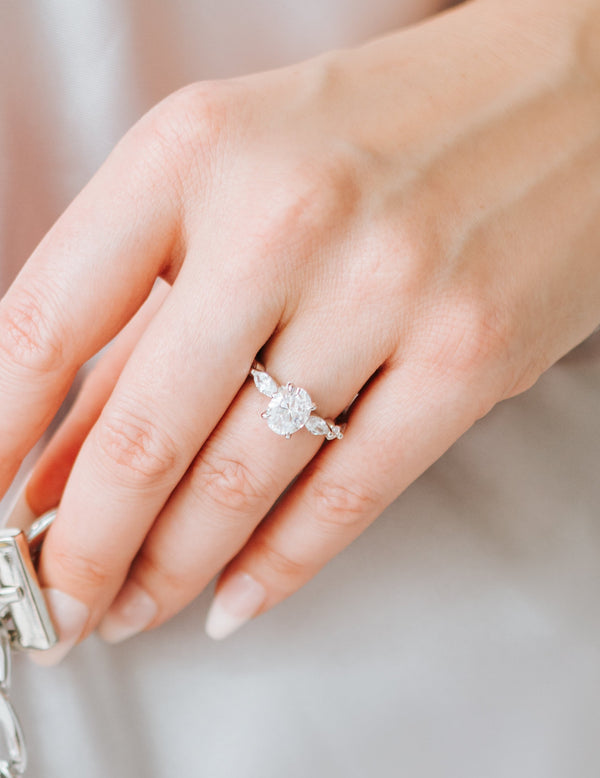
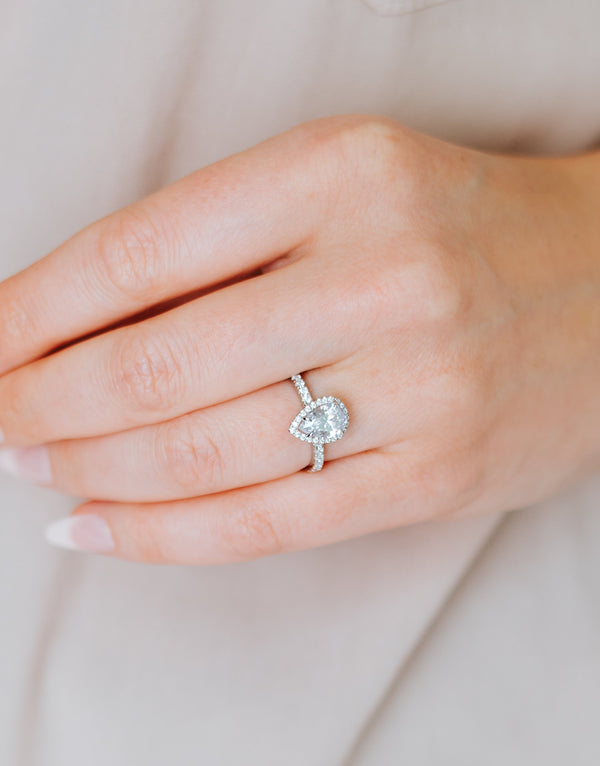
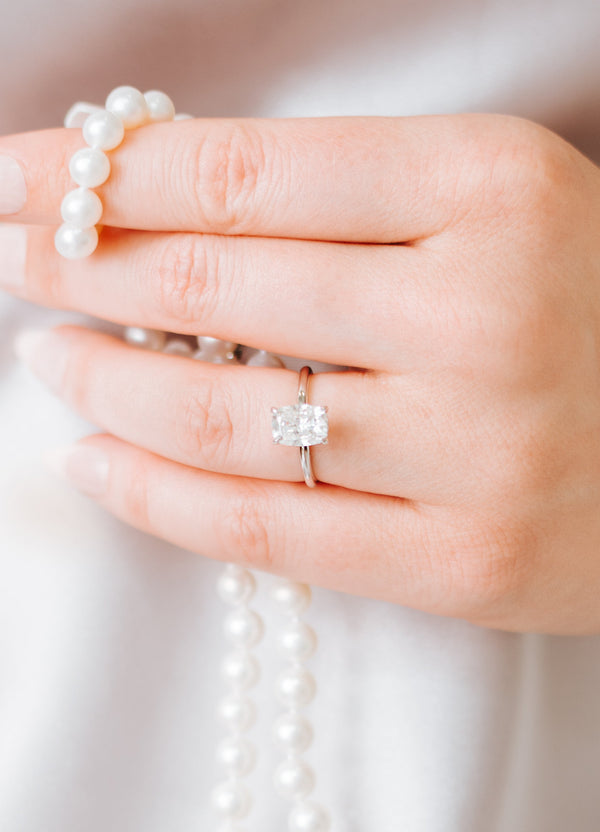
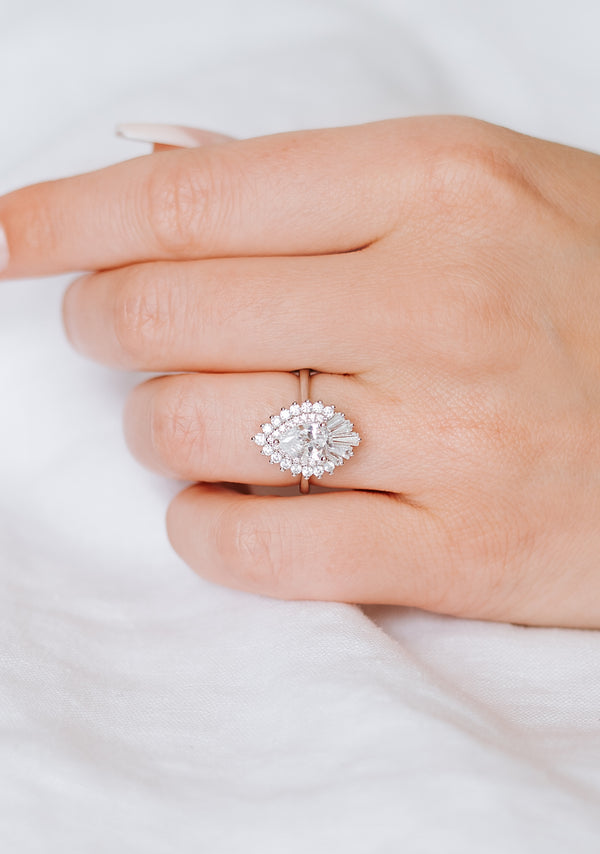
Explore popular engagement ring settings


From the Blog

Fairy Engagement Rings: A Complete Guide to Fae, Woodland & Elvish Designs
Fairy engagement rings are not a trend - they are a specific aesthetic vocabulary. This is the complete guide to fae, woodland, elvish and enchanted-forest designs, written for couples who...

Moss Agate Engagement Ring Meaning - Symbolism, Relationships & Why Couples Choose It
Moss agate engagement rings carry meaning rooted in growth, emotional balance, and one-of-a-kind love. Each stone's dendritic inclusions are completely unique — and for the couples who choose it, that...

How to Build a Custom Engagement Ring: The Complete Step-By-Step Guide
A custom engagement ring isn't just jewelry — it's a one-of-a-kind symbol crafted entirely around your love story. This complete guide covers everything: setting your budget, choosing a gemstone, selecting...

Non-Traditional Engagement Rings: A Complete Guide to Alternative Styles
Explore non-traditional engagement rings from fantasy to gothic styles. Find ethical gemstones, different designs, and alternative aesthetics, all handcrafted.
Frequently Asked Questions About Nature-Inspired Rings
Explore More About Nature-Inspired Rings at Aquamarise®
Browse related collections and resources to find the right stone, setting, and style for your nature-inspired ring.