


Shop by Setting
Popular Lab-Grown Diamond Rings Styles & Settings
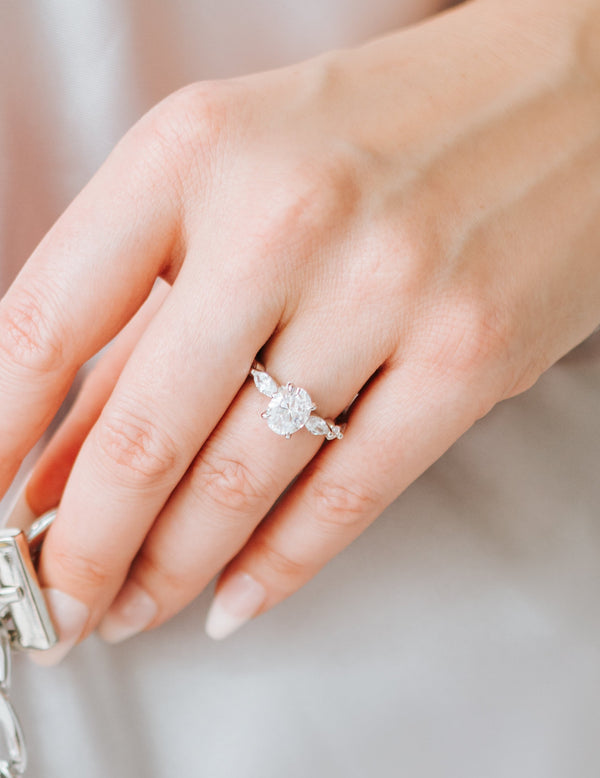
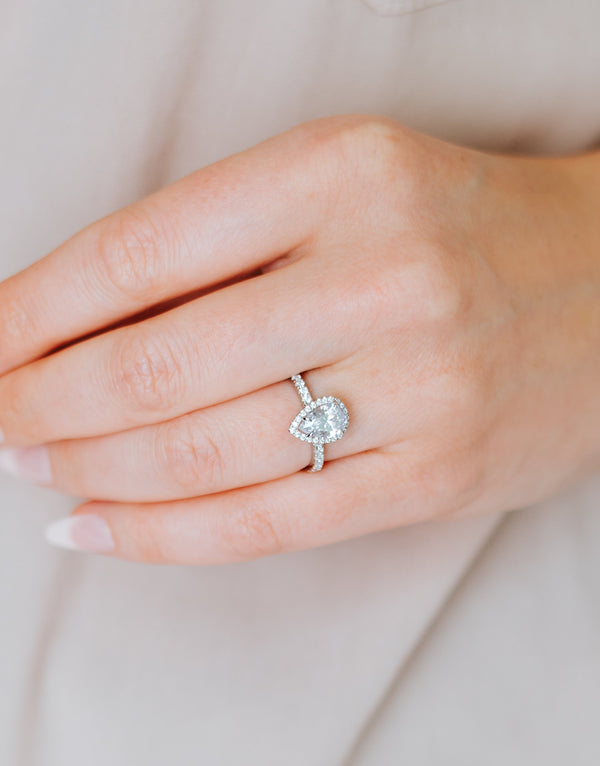
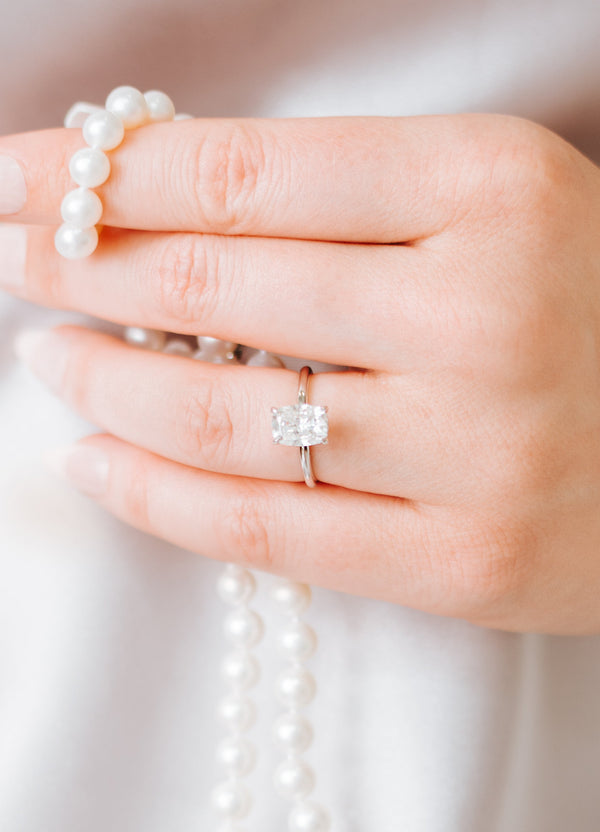
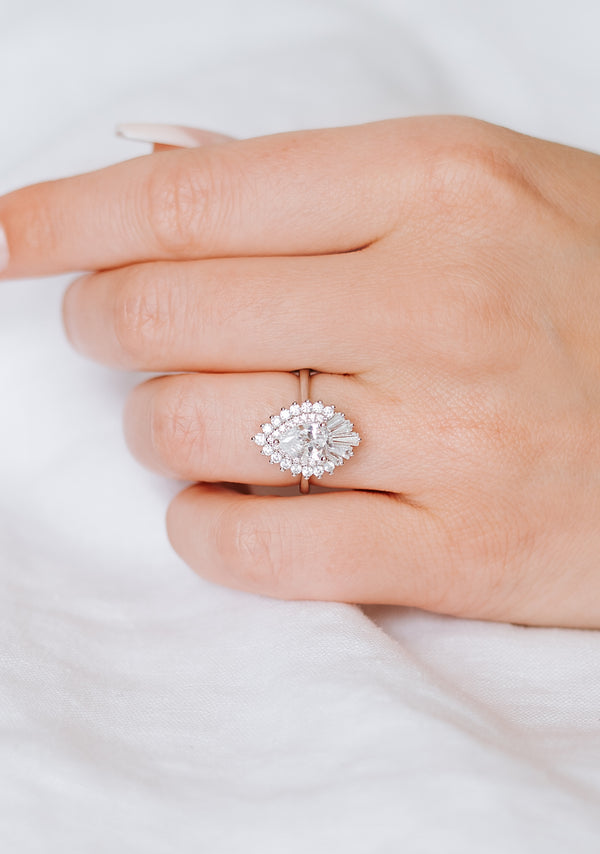

Free U.S. Shipping
Ships from USA

Hustle-Free Returns
and Exchanges

Ethically Crafted
Sustainably Sourced Materials

200K+ Happy Couples
Fantasy-inspired, handcrafted
Aquamarise® lab-grown diamond rings are chemically, physically, and optically identical to mined diamonds. The same carbon crystal structure and a hardness of 10 Mohs. The same brilliance, fire, and scintillation under every light condition. The difference is only in origin. Lab-grown diamonds are produced in controlled environments using advanced technology rather than being extracted from the earth through mining. Every lab-grown diamond ring at Aquamarise® is IGI certified with a certificate of authenticity confirming the stone's quality, grade, and origin.
Choose from round brilliant, oval, emerald, cushion, marquise, princess, and radiant diamonds IGI-certified lab-grown diamonds set in solid 14K white, yellow, and rose gold. Each setting is sculpted to honor the diamond’s geometry and protect its brilliance, from solitaires and halos to three-stone and vintage-inspired designs. Handcrafted from recycled metals with meticulous care, every ring invites exploration and celebration. Filter by cut, metal, or style to discover a piece as singular as your story.

Why Choose Aquamarise® Lab-Grown Diamond Engagement Ring?
Aquamarise® lab-grown diamond rings are for buyers who want a certified diamond with fully traceable origins and the same optical performance as a mined stone at a significantly more accessible price point.
Identical to Mined Diamonds
Lab-grown diamonds are not simulants. They are not cubic zirconia or moissanite. They are real diamonds with the same chemical composition, crystal structure, and physical properties as earth-mined diamonds. At 10 Mohs, they are the hardest material used in fine jewelry. The brilliance, fire, and light return are identical to mined diamonds of equivalent cut and grade because the stone itself is identical. The only difference is how it was formed and where it came from.
IGI Certified With Full Documentation
Every lab-grown diamond ring at Aquamarise® comes with an IGI certificate of authenticity that grades the stone on cut, color, clarity, and carat weight to the same standard applied to mined diamonds. That certification gives you full confidence in what you are buying before the ring arrives. No ambiguity about stone quality. No unverifiable claims about origin. The IGI certificate is your documentation that the diamond meets the grade stated on the listing.
Conflict Free as Standard
Every lab-grown diamond at Aquamarise® is ethically sourced, compliant, and conflict-free because it was never mined. There is no supply chain uncertainty, no country-of-origin concern, and no possibility that the stone is connected to practices that diamonds mined have historically been associated with. For buyers for whom a conflict-free stone is a non-negotiable requirement, a lab-grown diamond removes every question before it arises.
Colored Diamond Options Available
Lab-grown technology produces colored diamonds in hues that are exceptionally rare in nature, including blue and pink diamonds, at price points that make them genuinely accessible rather than exclusively for collector budgets. The Ellie Princess Cut Lab-Grown Blue Diamond Engagement Ring in 14K white gold is one example, featuring a vivid blue lab-grown diamond in a princess-cut setting with colorless lab-grown diamond accents. Colored lab-grown diamonds carry the same IGI certification and the same physical properties as colorless options.

Lab-Grown vs. Natural Diamond Engagement Rings
Choosing between lab-grown and natural diamond engagement rings is a moment of intention, not compromise. Natural diamonds, forged deep within the earth over billions of years, carry a rare, irreplaceable story and a premium price. Their origin is timeless, their beauty unmatched, and their presence symbolic.
Lab-created diamond engagement rings, by contrast, offer brilliance, fire, and hardness identical to mined stones, as every IGI-certified lab diamond engagement ring reflects perfection at a fraction of the cost.
Lab-grown diamonds are chemically, physically, and optically identical to mined diamonds. The same carbon crystal structure. The same hardness at 10 Mohs. The same brilliance, fire, and scintillation.
Every Aquamarise® lab-grown diamond is IGI certified to confirm cut, color, clarity, and carat weight to the same grading standard applied to mined stones. The price difference is significant, typically 50 to 80 percent less per carat at equivalent visual size and certification grade.
For buyers who prioritize the stone's origin story and rarity, a natural diamond engagement ring is the choice. For buyers who prioritize brilliance, certification, ethical sourcing, and value, a lab-grown diamond is the stronger option. Both are available at Aquamarise® with full documentation and honest guidance on every listing. Visit our lab-grown diamond rings page for a full breakdown before deciding.
Lab Grown Diamond Engagement Rings by Cut
The cut transforms how the diamond graces the finger, captures light, and defines the ring’s character.
Round Brilliant: The most popular diamond cut in fine jewelry. 58 facets optimized for maximum light return. Suits every setting style and flatters every hand shape. The conventional choice that earns its position through optical performance rather than tradition alone.
Oval: Elongates the finger more than a round at the same carat weight. Softer than a kite or marquise. Produces strong brilliance in a shape that reads as deliberately chosen without requiring an unconventional cut. Oval diamond engagement rings are among the most consistently purchased cuts in the collection.
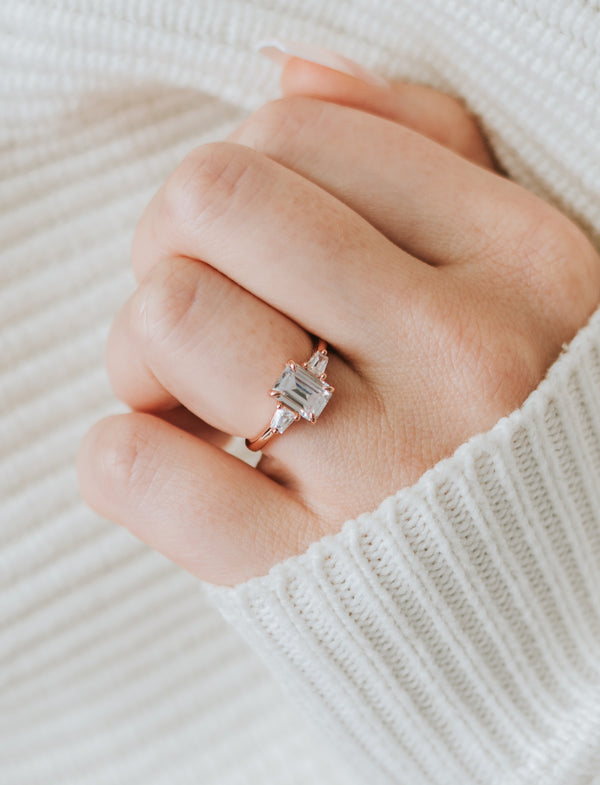
Emerald Cut: Step-cut facets that pull light through the stone in parallel lines rather than scattering it. Shows color and clarity as a consistent, uninterrupted depth. The architectural choice for buyers who want the stone to reveal what is inside. Browse emerald cut engagement rings for current diamond options.
Cushion Cut: Rounded corners and large facets in a square to rectangular outline. Produces warm, soft light return in a silhouette that reads as romantic rather than geometric. Cushion-cut diamond engagement rings suit buyers who want brilliance with a softer edge.
Marquise: The cut with the highest face-up surface area per carat of any shape. The pointed ends elongate the finger dramatically. Requires V-tip prong protection. Marquise engagement rings in diamonds produce maximum visual presence at a given carat weight.
Princess Cut: The second most popular cut after the round brilliant. 76 facets in a square outline produce a sparkle comparable to that of a round brilliant. Corner-protective settings are essential. Princess-cut engagement rings suit buyers who want maximum brilliance in a geometric silhouette.
Hexagon Cut: A six-sided geometric cut with a wide flat face that shows the diamond's clarity and depth across the full surface area. Less vulnerable than pointed cuts. Hexagon engagement rings in diamond suit buyers who want geometric precision with a nature-adjacent outline.
Coffin: A pointed rectangular cut with sharp corners and a dramatic silhouette that sits unlike any other shape on the hand. Requires corner-protective settings. Coffin cut engagement rings in diamond suit buyers who want the most unconventional geometric cut in the collection.
Pear-Shaped: Rounded at the base, pointed at the tip. Elongates the finger with a soft, romantic silhouette. V-tip prong protection is required at the apex. Pear-shaped diamond engagement rings work across every setting style from clean solitaires to detailed vintage halos.

Lab Grown Diamond Engagement Rings by Metal
The metal changes how the diamond presents itself on the hand more than most buyers expect before seeing the options side by side.
Solid 14K White Gold: The most popular metal choice for diamond engagement rings because the neutral cool tone does not compete with the diamond's colorless brilliance. The strongest precious metal option for a ring worn daily without removal.
Solid 14K Yellow Gold: Creates a warm contrast against a colorless diamond that makes the stone appear whiter by comparison. Suits buyers drawn to warmer aesthetics and the heritage register of yellow gold in fine jewelry.
Solid 14K Rose Gold: The softest visual contrast of the three gold options. Suits buyers drawn to romantic and feminine aesthetics. Particularly effective with warm-tinted diamonds, where the rose gold and the stone's warmth work together rather than against each other.
Visit our precious metal guide for a full comparison of every metal option by durability, care requirements, and long-term wear performance before deciding.
How to Choose a Lab- Grown Diamond Engagement Ring
Step 1: Choose Your Stone Origin
Decide between lab-grown and natural diamonds first, as this decision affects every other choice, including budget, certification, and available designs. If diamond transparency and conflict-free origin matter to you, lab-grown removes every supply chain concern. If earth-origin rarity is the priority, natural diamond carries that provenance. Both are available at Aquamarise® with full documentation on every listing.
Step 2: Pick a Cut
The cut determines how the diamond sits on the finger, how it returns light, and what aesthetic the ring belongs to. Oval elongates the finger. Emerald cut shows depth over sparkle. Cushion produces soft romantic brilliance. Marquise maximizes visual size per carat. Princess delivers geometric sparkle. Pear flatters with a pointed romantic silhouette. If the recipient's aesthetic is known, the choice of cut usually follows directly from it.
Step 3: Choose Your Metal
Choosing the right metal is essential, as it shapes the diamond’s presence, color contrast, and overall aesthetic. White gold highlights maximum brilliance and a neutral, modern elegance. Yellow or rose gold adds warmth and a sense of heritage. Silver or vermeil offers an accessible price point without compromising on quality. The metal transforms how the diamond reveals its brilliance on the hand, complementing the stone as much as the cut itself. For a full comparison of durability, care, and character, explore our precious metal guide before deciding.
Step 4: Select a Setting
The setting frames the diamond’s story, defining how it captures light and commands attention. A diamond solitaire engagement ring displays the stone in its purest form, letting brilliance speak for itself. A halo setting adds presence and amplifies the center diamond’s size, creating a luminous, eye-catching effect. Vintage milgrain designs offer intricate, timeless character, while a hidden halo introduces subtle, secret sparkle that glimmers from beneath. From classic to modern, every setting transforms the diamond’s personality and the ring’s overall statement, allowing your choice to reflect style, sentiment, and the story you wish to tell.


From the Blog

Moissanite vs Lab Diamond - Complete Comparison Guide
Moissanite and lab-grown diamonds look similar, but differ in sparkle, durability, and cost. Discover which one is the best choice for your ring.

Promise Ring vs Engagement Ring: What's the Real Difference?
A promise ring and an engagement ring can look identical - but each tells a completely different love story. This guide covers what sets them apart, the history behind both...

Is Moissanite A Lab-Grown Diamond?
Whether you are envisioning a custom engagement ring, a sculpted wedding band, or a one-of-a-kind creation crafted with intention, we invite you to experience both stones side by side.

How to Build a Custom Engagement Ring: The Complete Step-By-Step Guide
A custom engagement ring isn't just jewelry — it's a one-of-a-kind symbol crafted entirely around your love story. This complete guide covers everything: setting your budget, choosing a gemstone, selecting...
Lab-Grown Diamond Rings FAQs
Explore More About Lab-Grown Diamond Rings
Browse related collections and resources across the full Aquamarise® diamond range.